The Need for a Designer’s Touch in Mere Information

Niharika Arun

Before I understood what truly makes design effective, I was a second-year Communication Design student stepping into my first professional design internship. Three months at Quawd meant new people, a faster pace, and expectations very different from the classroom. I assumed the experience would be about applying what I already knew. Instead, it became a process of unlearning, relearning, and realising how much more there was to understand.
The in-field exposure, regular check-ins, and access to resources like courses, books, and structured feedback pushed me to grow consistently. Quawd didn’t simply assign tasks. It focused on building my ability to think, question, and approach problems like a designer.
The Project That Changed How I Think
During my first month, I was asked to work on a research document exploring the difference between information and insights, specifically from a designer’s perspective. At the time, it felt like a straightforward task. That changed one afternoon when a teammate looked at my work and said:
“That’s not an insight. That’s just information.”
It sounded simple, almost obvious, yet it stayed with me. I realised I couldn’t clearly explain the difference myself. That moment pushed me to dig deeper and rethink how I approached design decisions.
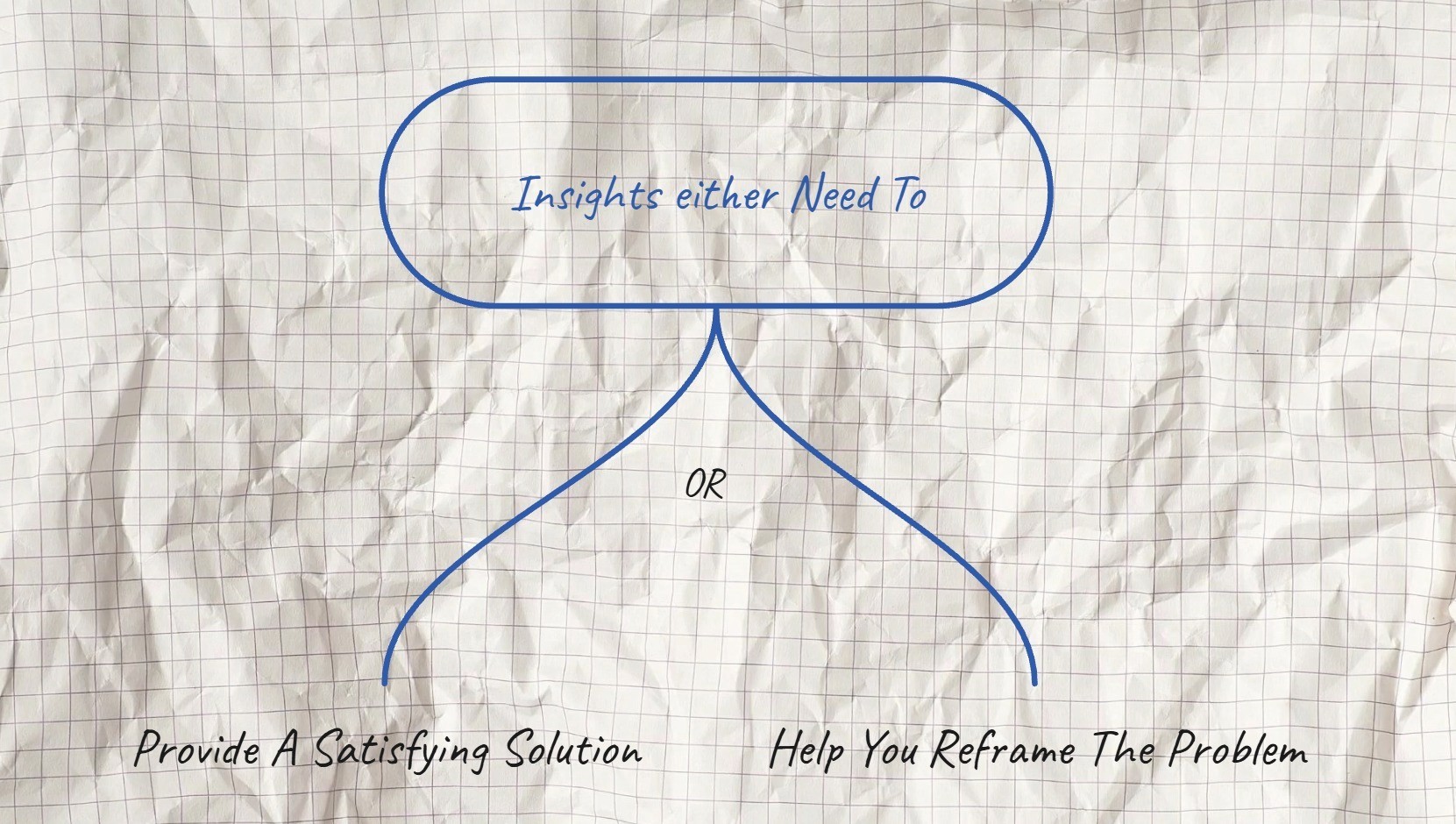
Information vs Insights
Through research and discussion, I learned a distinction that now feels fundamental.
Information explains what is happening.
Insights explain why it is happening.
For example:
Information: “Users drop off after the second page.”
Insight: “The second page asks for personal details too early, which causes users to leave.”
One statement reports an observation. The other points toward action. That difference changed how I approached problem-solving, not just in design, but in thinking overall.
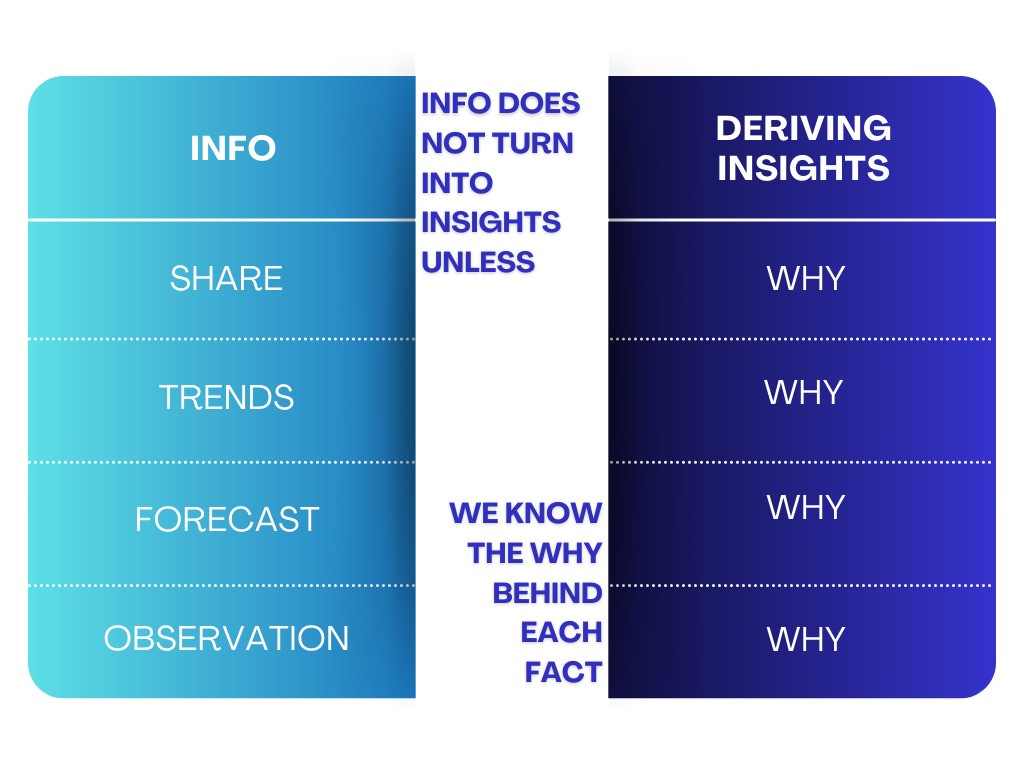
Three Lessons That Stayed With Me
Empathy matters more than data alone.
Numbers can show patterns, but they don’t explain how an experience feels for the person on the other side of the screen.
Asking ‘why’ is essential, not excessive.
Somewhere around the third or fourth ‘why’, the real problem begins to surface.
Design is problem-solving before aesthetics.
Visual appeal matters, but clarity and purpose always come first.
Looking Back
A year later, I feel more confident in how I work and I continue to apply these lessons in every project I take on. What those three months gave me wasn’t just technical skill, but a design-first way of thinking that continues to shape my approach today.
More articles
Explore more insights from our team to deepen your understanding of digital strategy and web development best practices.


Coming Soon